

Industrial tippers for efficient and safe handling
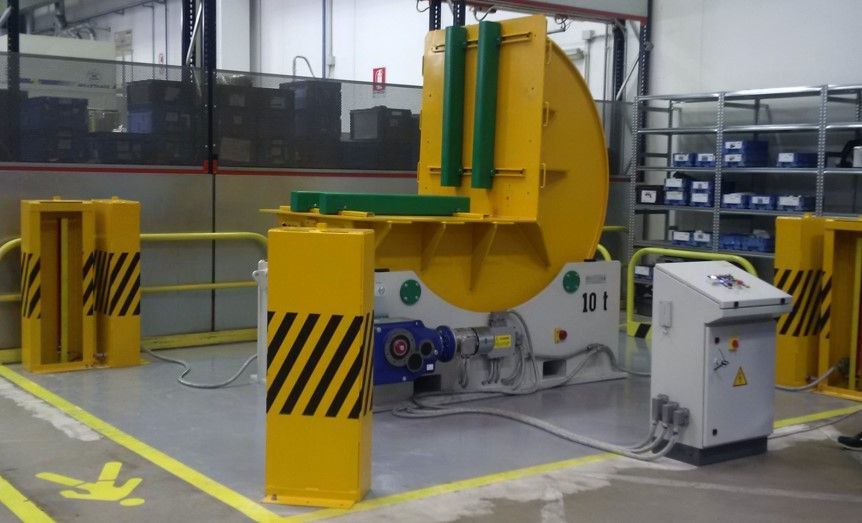
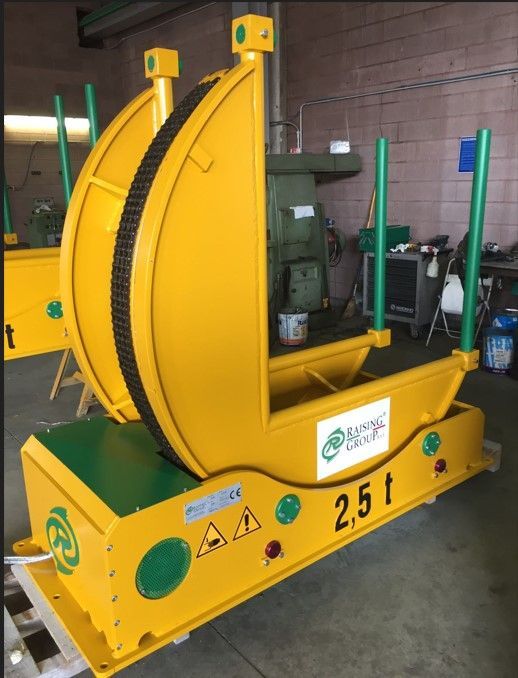
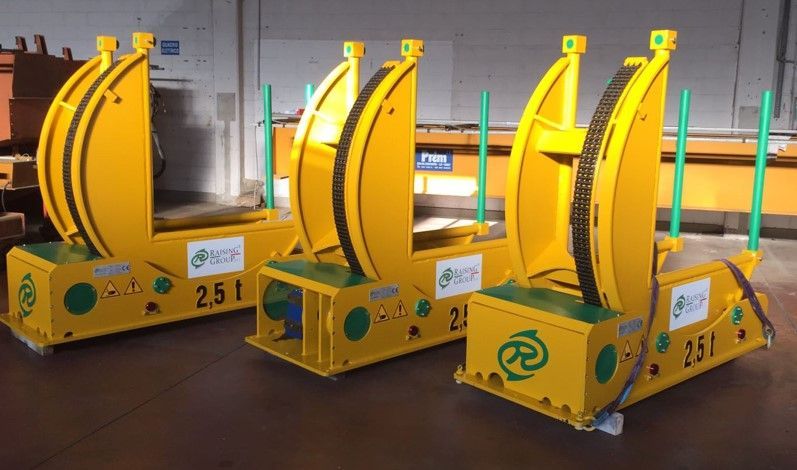
Industrial tilters represent one of the most versatile solutions for managing handling processes within steel mills, foundries, and mechanical plants. Designed to ensure maximum safety and operational precision, they allow loads of varying types and weights to be rotated in a controlled manner, reducing intervention times and operator exposure to risks. Valtorta Raising solutions are available in electromechanical, electrohydraulic, and special versions, capable of managing rotations from 0° to 90° and up to 180°, with customized configurations tailored to production needs. Each tilter is the result of careful study of the work cycle and is manufactured with high-quality materials, in full compliance with industrial safety regulations.
Technological innovation and construction precision
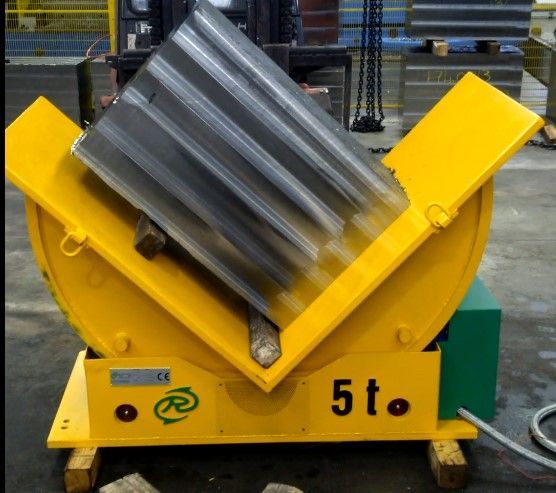
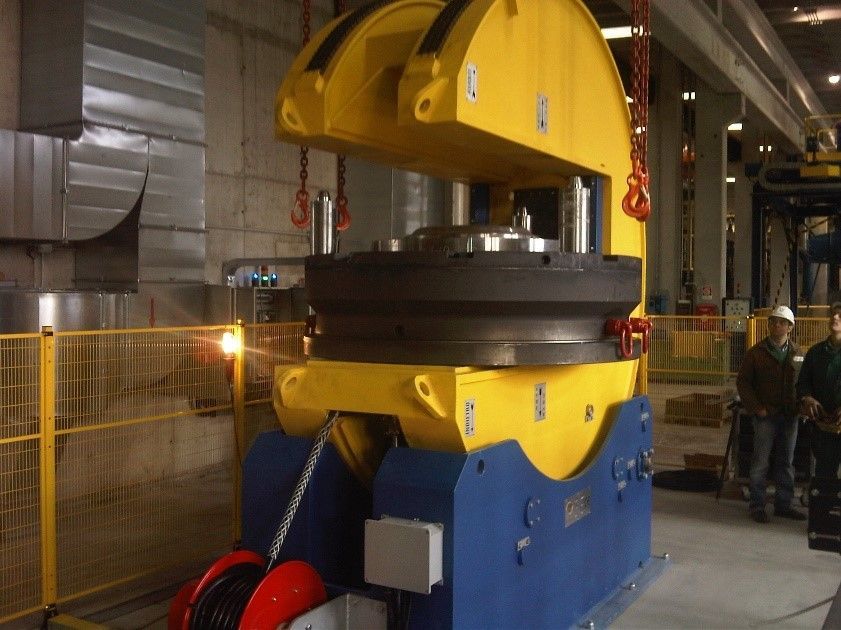
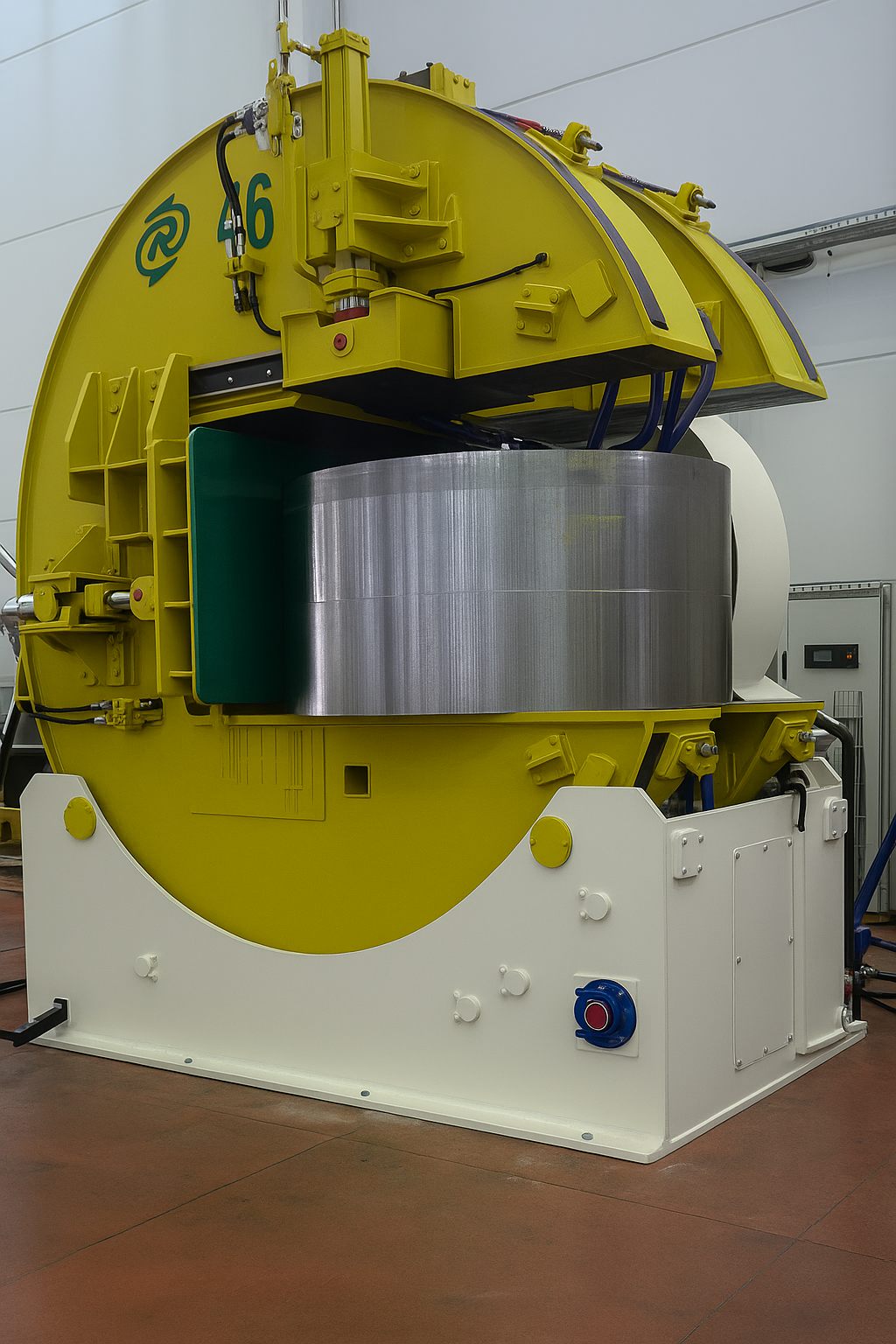
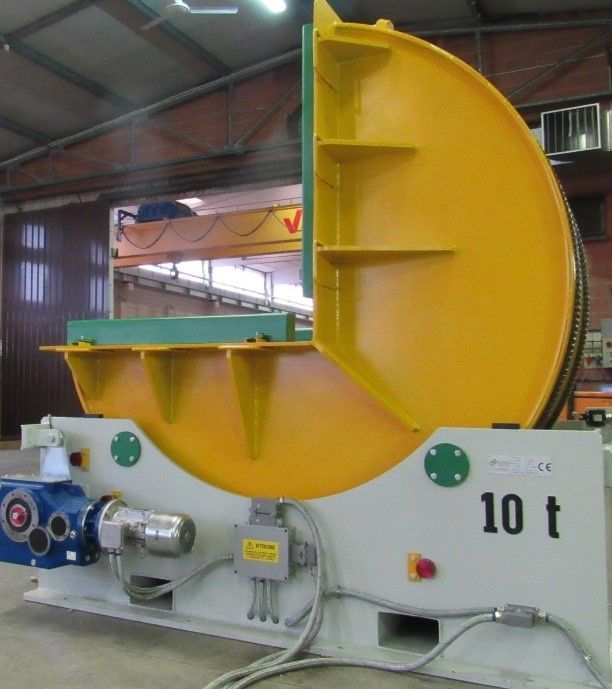
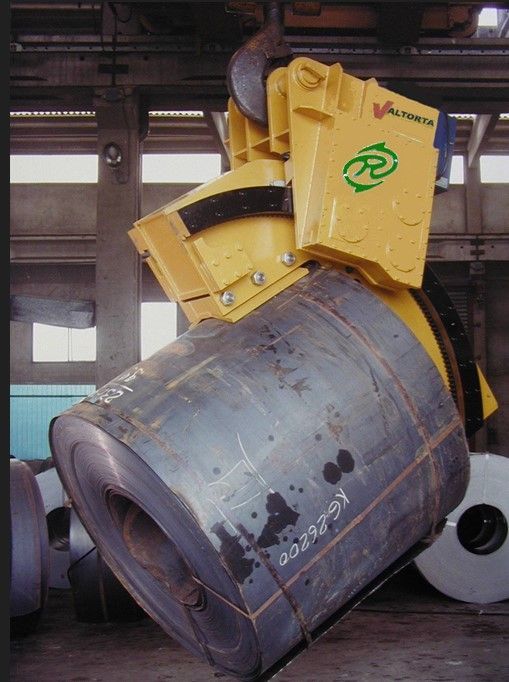
The Valtorta Raising range includes a vast selection of models dedicated to handling specific components and semi-finished products, such as coils, molds, coils, wheels, wire rods, and ingot molds. Key solutions include the 180° electromechanical tipper for molds, the 90° tipper for wire rods, and the electro-hydraulic tipper for coils. These systems integrate distributed hydraulic systems, automatic lubrication, and electronic self-diagnostic devices, ensuring reliability and reduced maintenance. Each machine is designed using 3D modeling and advanced structural simulation, ensuring proper load distribution and stability during tipping. The use of certified heat treatments and highly mechanically resistant materials ensures long life even in harsh environments.
Tailor-made solutions for every industrial application
Thanks to the synergy between the Valtorta and Raising brands, the company is able to provide specialized, customized tilters for any production environment. From casting and molding lines to finishing and warehouse departments, each piece of equipment is designed to integrate into existing lifting and transport cycles. The overhead versions for ingot molds allow for the handling of suspended loads, while the ground-mounted versions optimize the horizontal handling of heavy elements. The goal is to offer a system that improves efficiency, reduces manual intervention, and ensures maximum operator safety, in line with the highest standards of quality and technical innovation.